
Introduction
Casino madness, a term that encapsulates the allure, excitement, and often the darker side of gambling, has become a significant area of study within the realms of psychology, sociology, and economics. This report delves into the multifaceted nature of casino mad madness, exploring its historical context, psychological underpinnings, social implications, and economic impact. The phenomenon is not just a personal experience for gamblers but also a societal issue that affects families, communities, and economies.
Historical Context
The history of casinos dates back to ancient civilizations, where games of chance were played in various forms. However, the modern casino as we know it began to take shape in the 17th century in Italy, with the establishment of gambling houses. The first official casino, the Casino di Venezia, opened its doors in 1638. Over the centuries, casinos evolved, with the introduction of various games, including poker, blackjack, and slot machines. The legalization of gambling in various parts of the world, particularly in the United States during the 20th century, led to the proliferation of casinos, particularly in Las Vegas and Atlantic City.
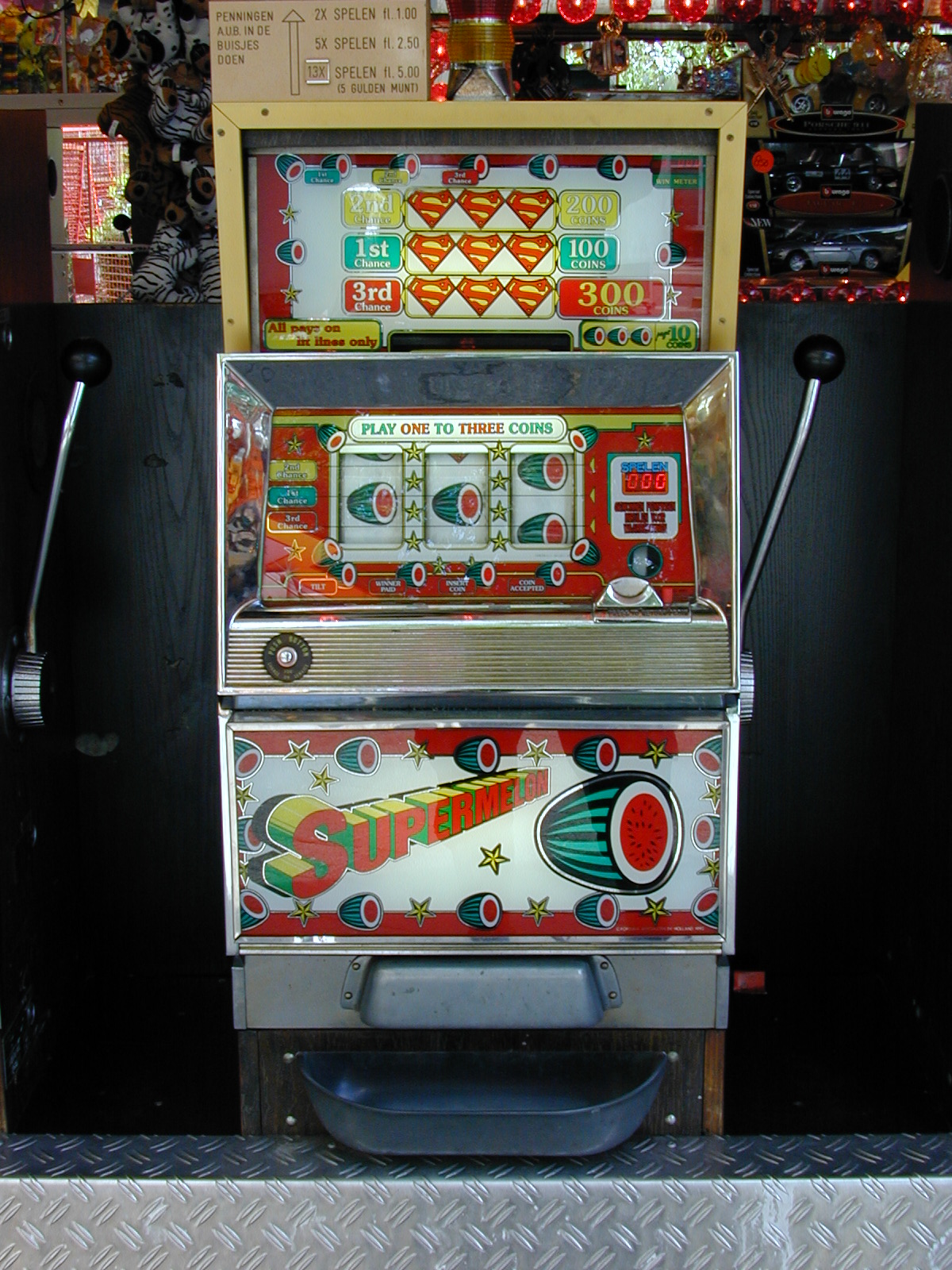
The Allure of Casinos
The appeal of casinos can be attributed to several factors:
- Entertainment Value: Casinos offer a unique blend of entertainment, combining gaming, dining, and live performances. This multifaceted experience attracts a diverse clientele, from casual visitors to serious gamblers.
- Social Interaction: Casinos serve as social hubs where people gather to engage in games, share experiences, and enjoy each other’s company. This social aspect can enhance the enjoyment of gambling.
- Psychological Thrill: The excitement of gambling, the potential for winning, and the adrenaline rush associated with high-stakes games create a compelling draw for many individuals. The uncertainty of outcomes adds to the thrill.
- Escape from Reality: For some, casinos provide an escape from everyday life, offering a temporary reprieve from stress, anxiety, and personal issues. The immersive environment can be intoxicating, leading individuals to spend more time and money than they initially intended.
Psychological Underpinnings
Casino madness is often linked to various psychological factors that influence gambling behavior:
- Cognitive Biases: Gamblers often exhibit cognitive biases, such as the illusion of control, where they believe they can influence the outcome of a game. This belief can lead to increased gambling activity and greater financial risk.
- Reward Systems: The brain’s reward system plays a crucial role in gambling behavior. Winning triggers the release of dopamine, a neurotransmitter associated with pleasure and reward. This can create a cycle of seeking out gambling experiences to replicate the high of winning.
- Risk-Taking Behavior: Some individuals are naturally more inclined to take risks, which can lead to higher gambling activity. This trait can be influenced by genetic factors, personality traits, and environmental factors.
- Addiction: For some individuals, gambling can become an addiction, leading to compulsive behavior and negative consequences. The Diagnostic and Statistical Manual of Mental Disorders (DSM-5) recognizes gambling disorder as a behavioral addiction, characterized by a persistent pattern of gambling behavior that disrupts personal, social, or occupational functioning.
Social Implications
The phenomenon of casino madness has significant social implications, affecting not only the gamblers but also their families and communities:
- Family Dynamics: Gambling addiction can strain family relationships, leading to financial difficulties, emotional distress, and breakdowns in communication. Families may experience a range of emotions, including anger, shame, and helplessness.
- Community Impact: Communities with casinos may experience both positive and negative effects. On one hand, casinos can boost local economies by creating jobs and attracting tourism. On the other hand, they can contribute to social issues, such as increased crime rates, substance abuse, and gambling-related harm.
- Stigmatization: Individuals struggling with gambling addiction often face stigma and discrimination, which can deter them from seeking help. This stigma can perpetuate a cycle of shame and isolation, making recovery more challenging.
Economic Impact
The economic implications of casino madness are profound, influencing local, national, and global economies:
- Revenue Generation: Casinos generate significant revenue through gaming taxes, which can be used to fund public services, infrastructure, and social programs. In many jurisdictions, this revenue is a critical source of funding for local governments.
- Job Creation: The casino industry provides employment opportunities for thousands of individuals, ranging from dealers and security personnel to hospitality staff and management. This job creation can have a ripple effect on local economies.
- Economic Disparities: While casinos can boost local economies, they can also exacerbate economic disparities. Communities with casinos may experience a concentration of wealth, while those without may struggle to compete for resources and investment.
- Gambling Addiction Costs: The economic costs associated with gambling addiction are substantial. These costs include healthcare expenses, lost productivity, and the financial burden on families and social services. Addressing these issues requires a comprehensive approach that includes prevention, education, and support services.
Mitigating Casino Madness
Efforts to mitigate the negative effects of casino madness involve a combination of regulation, education, and support services:
- Regulation: Governments play a crucial role in regulating the casino industry to ensure fair practices, protect consumers, and address issues related to gambling addiction. This includes implementing age restrictions, promoting responsible gambling initiatives, and providing resources for those seeking help.
- Education and Awareness: Public awareness campaigns can help educate individuals about the risks associated with gambling and promote responsible gambling practices. Providing information about the signs of gambling addiction and available resources can empower individuals to make informed choices.
- Support Services: Access to support services, such as counseling and treatment programs for gambling addiction, is essential. These services can help individuals and families affected by gambling addiction rebuild their lives and regain control over their finances.
- Community Engagement: Engaging communities in discussions about the impact of casinos can foster a sense of collective responsibility. Community-based initiatives can promote healthy behaviors, support affected individuals, and advocate for policies that prioritize public health and well-being.
Conclusion
Casino madness is a complex phenomenon that encompasses the thrill of gambling, the psychological factors that drive behavior, and the social and economic implications that extend beyond the individual. Understanding this phenomenon is essential for developing effective strategies to mitigate its negative effects and promote responsible gambling practices. As the casino industry continues to evolve, ongoing research and community engagement will be crucial in addressing the challenges posed by casino madness and fostering a healthier relationship with gambling in society.
References
- American Psychiatric Association. (2013). Diagnostic and Statistical Manual of Mental Disorders (5th ed.). Arlington, VA: American Psychiatric Publishing.
- Lesieur, H. R., & Blume, S. B. (1991). The South Oaks Gambling Screen (SOGS): A New Instrument for the Identification of Pathological Gamblers. American Journal of Psychiatry, 148(11), 301-306.
- National Council on Problem Gambling. (2020). National Problem Gambling Treatment and Prevention Directory. Retrieved from [NCPG website].
- Shaffer, H., & Korn, D. A. (2002). Gambling and Related Mental Health Disorders: A Public Health Analysis. Annual Review of Public Health, 23, 171-212.
- Williams, R. J., & Wood, R. T. (2007). The Economic Impact of Problem Gambling. Canadian Journal of Psychiatry, 52(2), 124-132.